
Hearing Aid Styles
Every Major Style, Matched to Your Ears
The Hearing Place fits every major hearing aid style in Falconer, NY, from invisible in-canal devices you have to look for to powerful behind-the-ear systems and the receiver-in-canal models most patients end up choosing. Because the practice is independent, the style is matched to your test results, your daily listening, and how well your fingers handle small parts, not to a supply agreement.
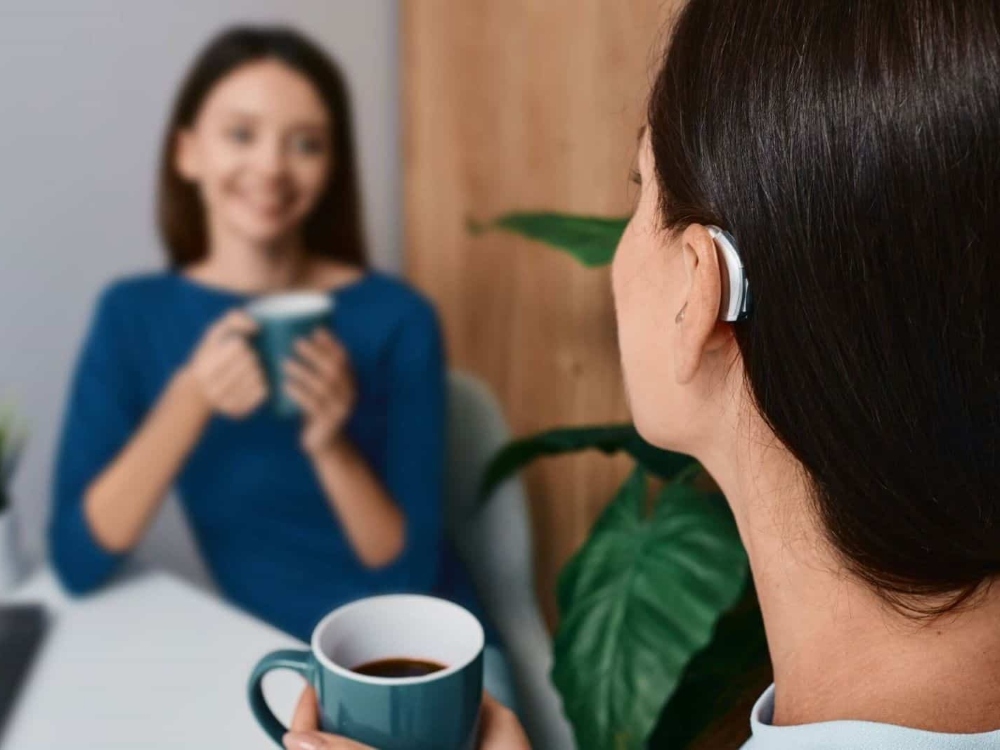
Which Style Fits Your Hearing and Your Hands
Style comes down to how much amplification your loss needs, the shape of your ear canal, how easily you manage small objects, and how much you care about being seen wearing something. We go through the honest trade-offs of each one with you.
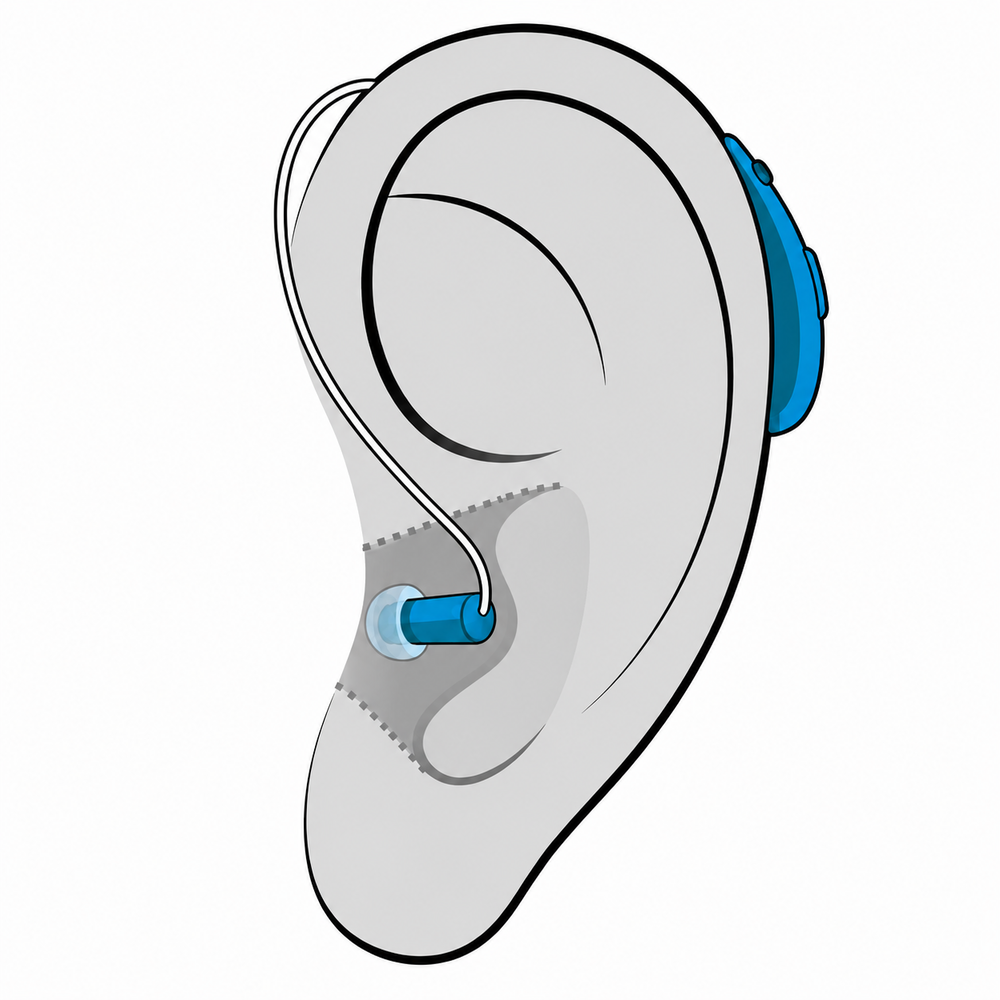
Receiver-in-Canal (RIC)
The most popular hearing aid style today. A small housing sits behind the ear and sends sound through a thin wire to a speaker placed in the ear canal. RIC devices are lightweight, discreet, and offer excellent sound quality with Bluetooth streaming and rechargeable battery options — suitable for mild to severe hearing loss. Their comfortable, low-profile design makes RIC a go-to choice for active patients who want both performance and discretion.
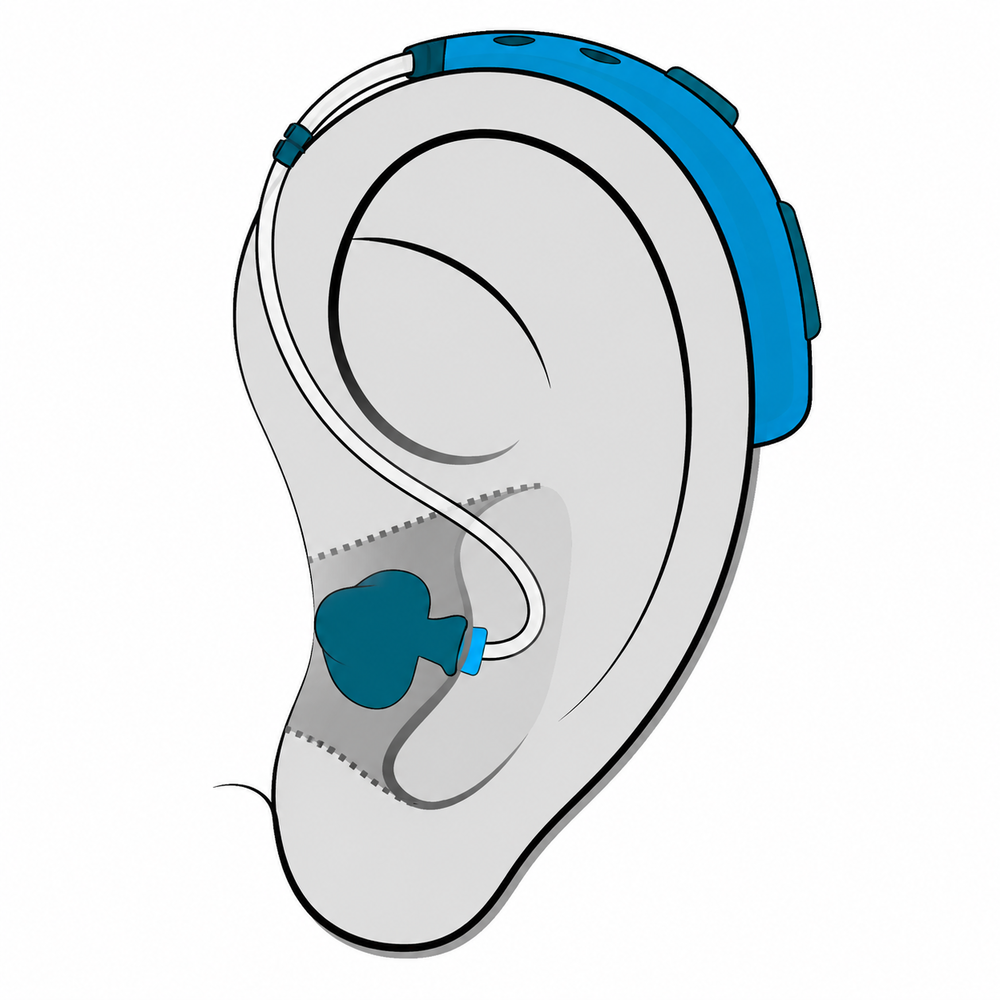
Behind-the-Ear (BTE)
The most powerful hearing aid style. The housing sits behind the ear and delivers sound through a tube to a custom earmold or dome. BTE devices offer the longest battery life, the most amplification, and accommodate advanced features including Bluetooth streaming — making them ideal for moderate-to-profound hearing loss and an easy-to-handle option for patients who prefer a larger, more durable device.
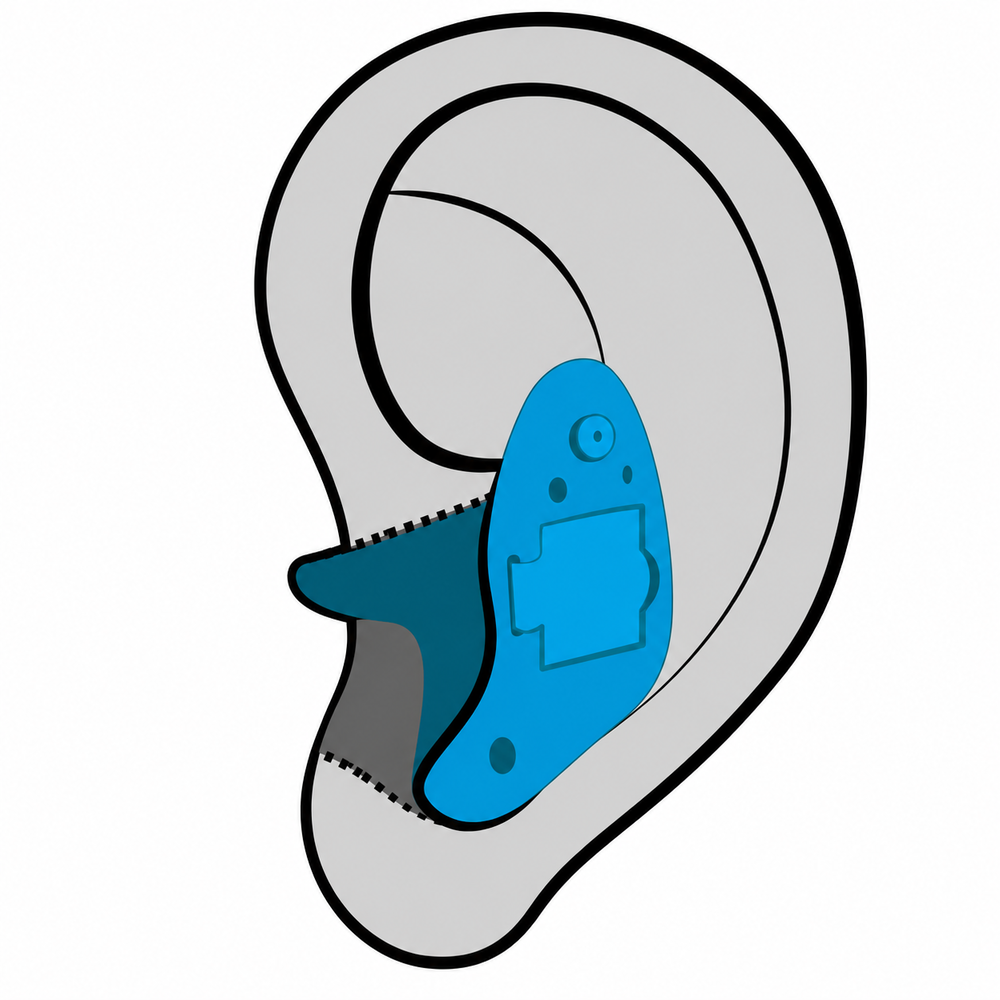
In-the-Ear (ITE)
Custom-molded to fill the outer ear bowl, ITE hearing aids suit mild to severe hearing loss. Their larger shell is easier to handle and insert — a practical advantage for patients with arthritis or reduced dexterity — and they can include volume controls, directional microphones, wireless connectivity, and rechargeable battery options.
In-the-Canal (ITC)
Custom-fit to sit partially inside the ear canal, ITC hearing aids are smaller and more discreet than ITE models while still accommodating directional microphones and wireless features. They work well for mild to moderate hearing loss and are a popular choice for patients who want a low-profile device without sacrificing connectivity or manual controls.
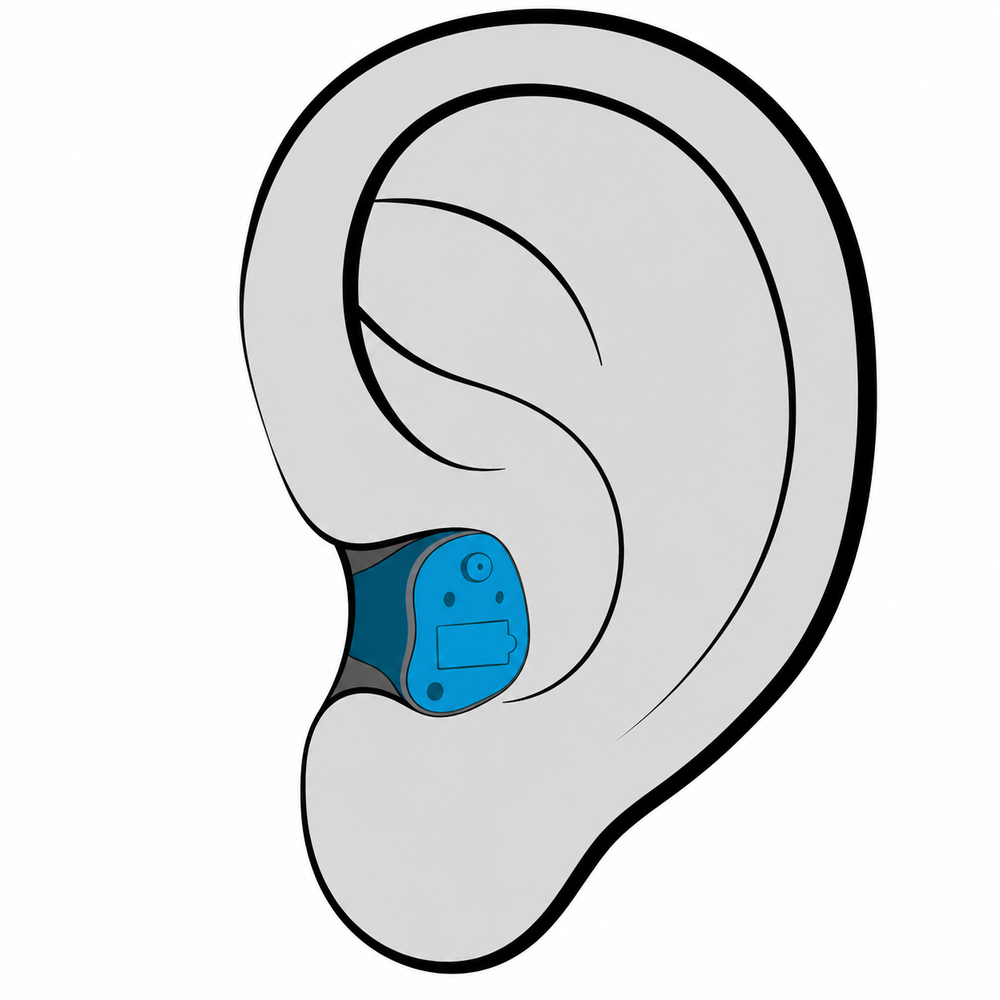
Completely-in-Canal (CIC)
Fitting entirely inside the ear canal, CIC hearing aids are very discreet with only a small removal handle visible at the opening. They're a popular choice for mild to moderate hearing loss when cosmetic appearance is the priority. Their compact size limits some advanced features, but many CIC models from leading manufacturers still support Bluetooth connectivity.
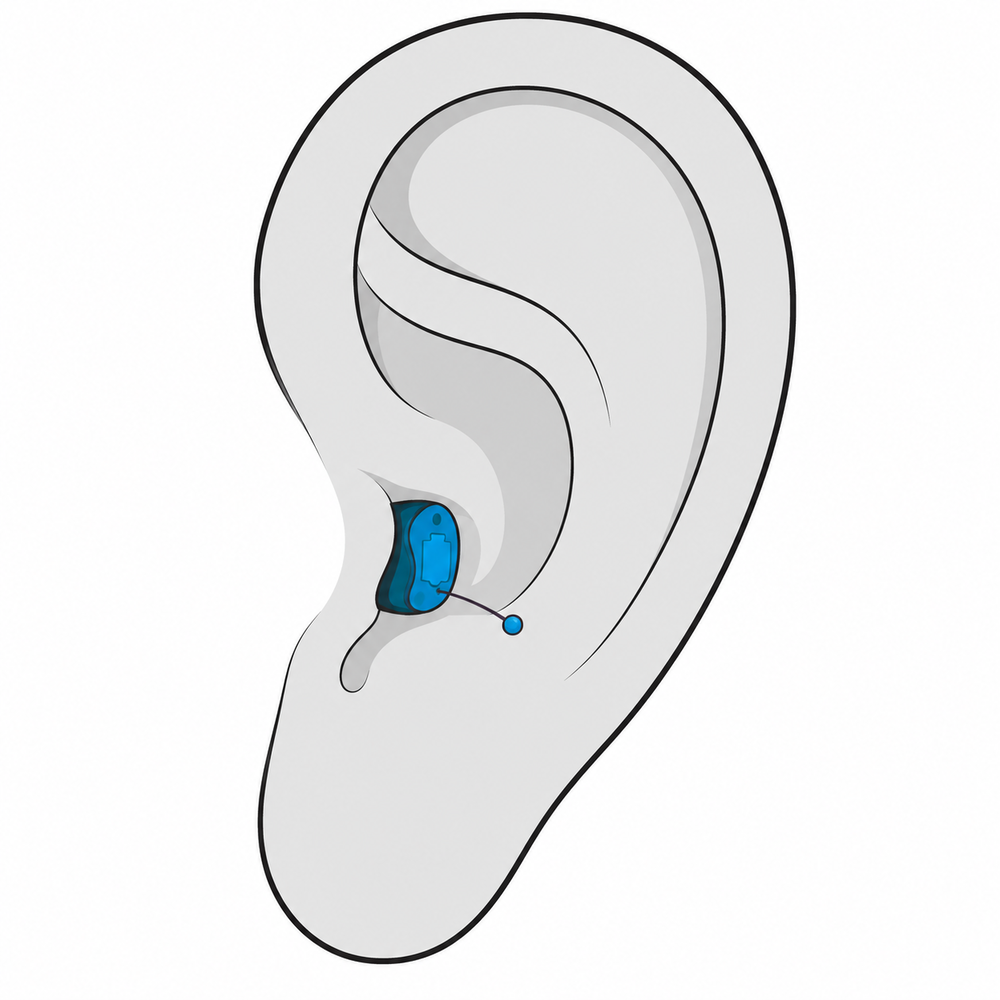
Invisible-in-Canal (IIC)
The smallest hearing aid available, IIC devices sit deep inside the ear canal and are effectively invisible to anyone looking at you. They suit mild to moderate hearing loss and come out daily with a small pull string. Candidacy depends on the shape and size of your ear canal, which we confirm during your evaluation. If nobody noticing is your first priority, this is the style to ask about.
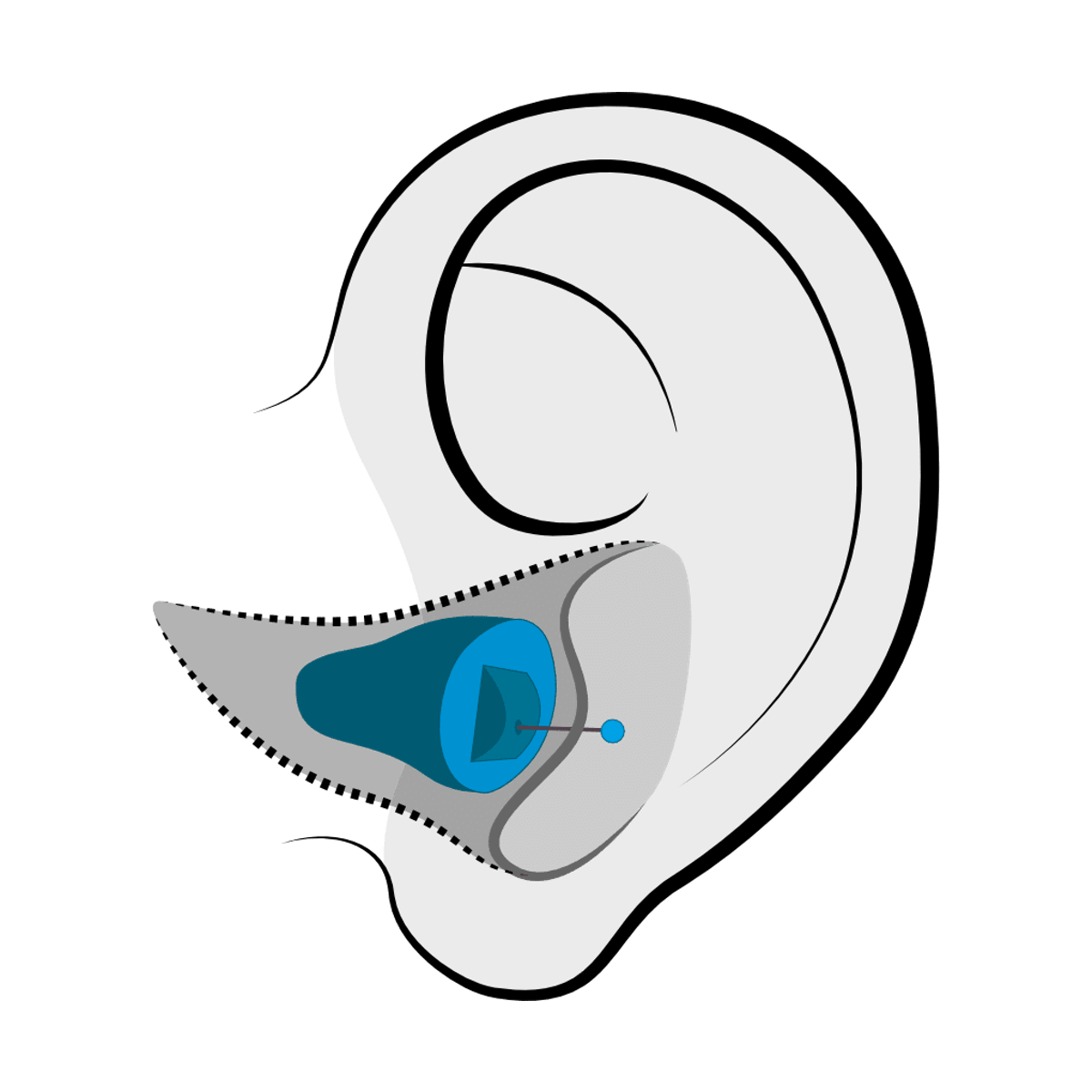
Backed by Our 100% Satisfaction Guarantee
Every hearing plan we build at The Hearing Place in Falconer carries a 100% satisfaction guarantee. That promise covers the outcome, not just the device — if you aren't hearing better in the rooms and conversations that matter to you, we keep working. Adjustments, re-verification with Real Ear Measurement, a different level of technology, whatever it takes. Patients across Chautauqua County stay with us because we don't stop at the sale.
Ready to Hear What You've Been Missing? Let's Talk
Serving Falconer, Jamestown, and Chautauqua County with board-certified, REM-verified hearing care and a 100% satisfaction guarantee.
Serving Falconer, Jamestown & Chautauqua County
Visit Us in Falconer
Our East Main Street office — right next to Crosby's — offers comprehensive hearing evaluations, verified hearing aid fittings, and in-house repairs, with private on-site parking.
- Nationally Board Certified Hearing Instrument Specialist
- Independent, owner-operated practice — not a chain
- Handicap-accessible parking on site
“Jamie is totally passionate about your hearing. She has taken my hearing issues very seriously and has helped me more than any of the other places that I've been to. Very professional and personable. I highly recommend this business.”— John Short, Google Review
The Hearing Place
Hearing Center102 E Main St, Falconer, NY 14733
| Monday | 9:00 AM - 5:00 PM |
| Tuesday | 9:00 AM - 5:00 PM |
| Wednesday | 9:00 AM - 5:00 PM |
| Thursday | 9:00 AM - 5:00 PM |
| Friday | 9:00 AM - 5:00 PM |
| Saturday | Closed |
| Sunday | Closed |
Hearing Aid Styles FAQs
Common questions about hearing aid styles in Falconer, NY: which models sit deepest in the canal, where rechargeable batteries are available, what CROS and BiCROS systems do, and how the choice gets made.
Invisible-in-canal (IIC) and completely-in-canal (CIC) hearing aids are the smallest styles we fit. They sit deep in the canal and stay out of sight, with only a small removal handle showing at the opening if someone looks closely.
Both work well for mild to moderate hearing loss. The trade-off is physical: a tiny housing leaves little room for a directional microphone or strong noise reduction, and the batteries are small enough that you will change them more often.
ITC and ITE styles sit higher in the canal and ear bowl. They are easier to get hold of, they take more amplification for more significant losses, and they hold larger batteries or a rechargeable cell.
Rechargeable models are available across most RIC, BTE, and ITE styles from the manufacturers we fit, including ReSound. A few ITC models now offer them as cells get smaller. CIC and IIC styles still run on disposable zinc-air batteries, because the housing simply has no room for a rechargeable cell.
For patients who struggle with arthritis, or who would rather drop the aids on a charger at bedtime than fuss with a tiny battery door, a rechargeable RIC is usually the practical answer. We go through the battery trade-offs for whichever styles suit your hearing loss. Call or text (716) 708-4343 to talk it through. You can also read up on hearing aid batteries.
CROS stands for Contralateral Routing of Signal, and it is built for people who hear well on one side and barely at all on the other. A microphone worn on the poor side picks up sound and sends it wirelessly to a receiver on your good ear, so the person sitting to your bad side stops getting missed.
BiCROS does the same thing while also amplifying for a better ear that has its own hearing loss. The manufacturers we fit make CROS and BiCROS compatible models. If another office told you one ear was unaidable and left it there, call (716) 708-4343 and let us take a look.
Style selection here is a clinical decision rather than a sales step. We start with your test results to establish the degree and shape of your loss, then factor in where you actually need to hear, whether that is a noisy shop floor, a church pew, or the phone with your grandkids, plus your dexterity and how visible you want the device to be.
Because no single manufacturer's contract is steering us, we match the style to your life instead of to whatever one company happens to sell. Whatever you choose then gets verified with Real Ear Measurement, so the style performs and is not just comfortable. Call or text (716) 708-4343 to get started.